Our Blog
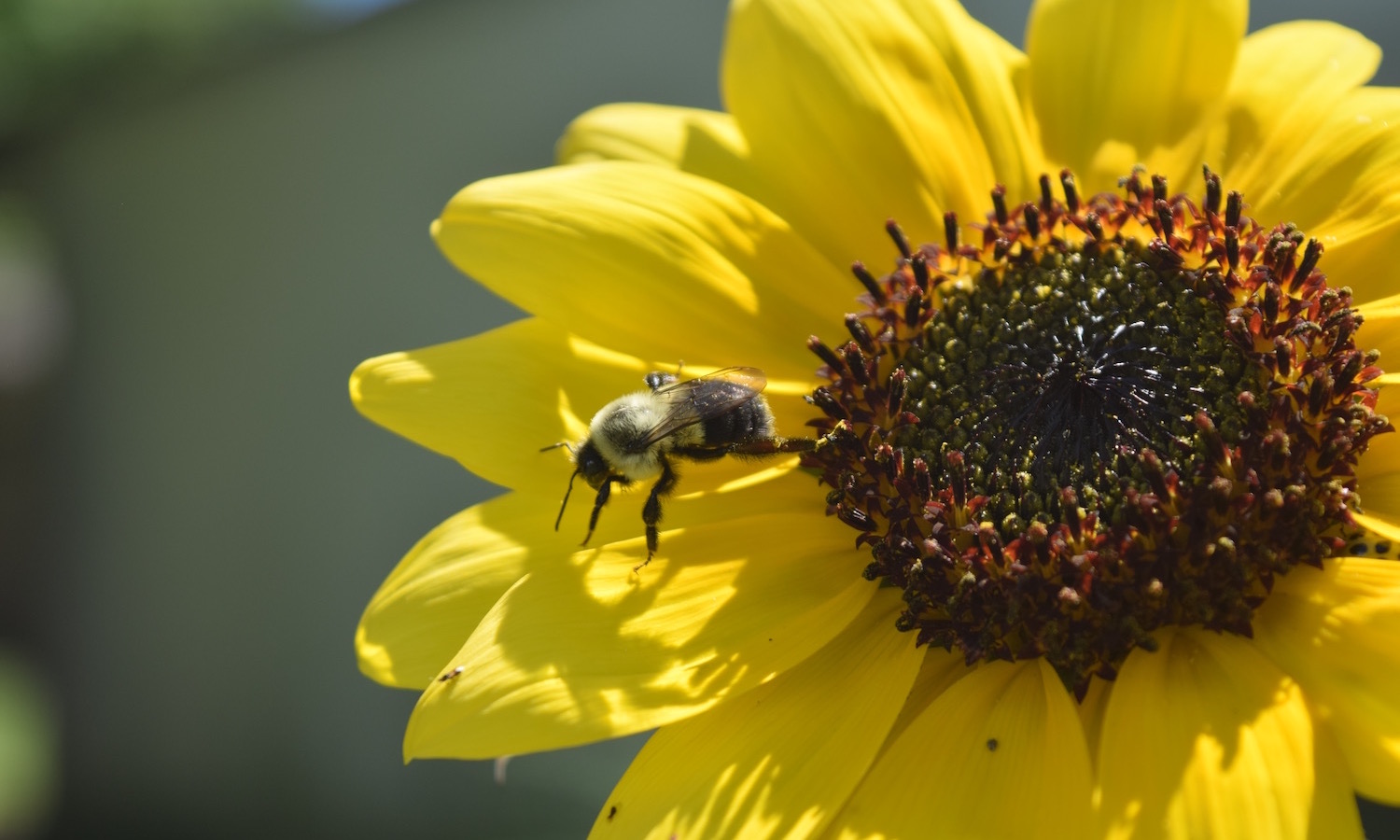
To protect India’s bees, we need to understand their impact on agricultural practices
Concerns have been raised regarding the potential negative effects of the growing production of genetically modified (GM) crops, particularly on pollinators like bees. Beekeepers in India have united against GM crops, including the recently approved GM mustard, as honeybee populations decline.
India's 50 million hectares of crops are dependent on bee pollination, so a decline in honeybee populations could be disastrous for the country's agricultural production.
A number of petitions requesting an end to the commercial cultivation of indigenously developed GM mustard are currently before the Supreme Court of India. However, the central government has stated that GM crops are safe to grow and do not harm honeybees.
Mapping the decline of bees Bees—managed and wild—are essential for pollinating 85% of all cultivated crops and a significant portion of the world's wild flowering plants.
Concerns have been expressed regarding how the recent decline of bees may impact biodiversity and food security. However, most of the evidence is derived from local accounts or studies of the region. The scale of bee decline has not been evaluated across India.
Anecdotal evidence of a decline in the honeybee population has been provided by farmers and beekeepers from various states. However, scientists have found it challenging to verify this information due to a lack of comparable prior data.
The declining bee populations have only been attempted to be mapped by a small number of studies, and their geographic scope is limited.
A 2017 study in Odisha based on input from farmers found that, with the exception of Apis dorsata, four of the five bee species (Apis cerana, Apis dorsata, Apis florea, Amegilla spp., and Xylocopa spp.) experienced declines of up to 70-90 percent.
A decrease in the number of bees by as much as 20% was found in a recent Bangalore study. Similar trends are shown by a few additional studies from Calcutta University's Centre for Agroecology Pollination Studies.